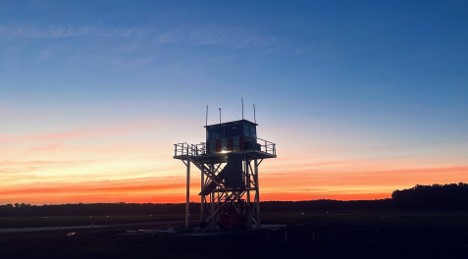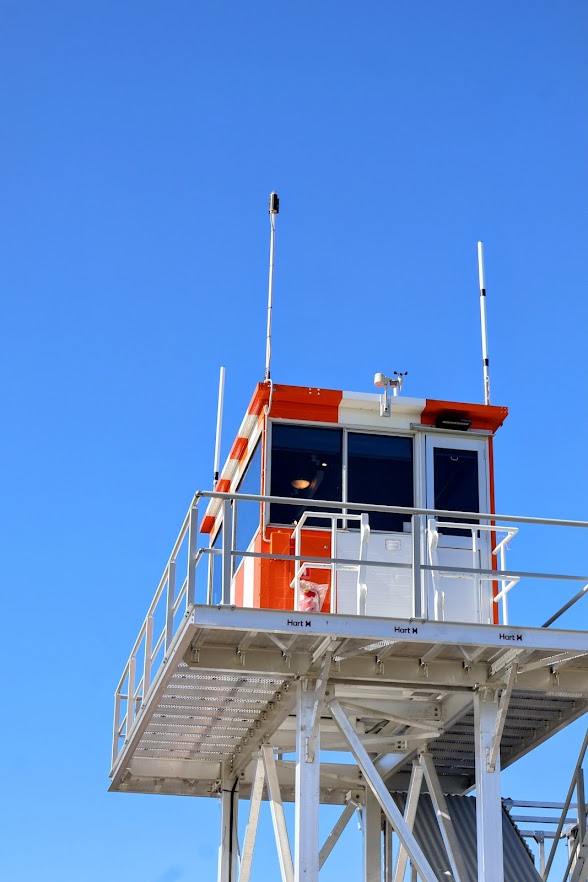
Ballina Airport – Introduction of controlled airspace

Airspace around the Ballina Byron Gateway Airport will be managed by air traffic controllers from 2026 to safely accommodate the continued growth of air traffic in the region.

The decision to enhance air traffic services at Ballina Airport resulted from the 2022 Civil Aviation Safety Authority (CASA) Airspace Review of Ballina, which included extensive feedback from industry.

This initiative will seek to enhance aviation safety outcomes and support equitable access at a major regional airport.

The new air traffic services will result in changes to both airspace and flight paths, and subsequently what the community may notice from the ground. Airservices will engage with community and industry stakeholders on the proposed flight path design options. CASA is leading industry engagement on the airspace change process and further information can be found via CASA’s consultation hub.

Airspace around the Ballina Byron Gateway Airport will be managed by air traffic controllers from 2026 to safely accommodate the continued growth of air traffic in the region.

The decision to enhance air traffic services at Ballina Airport resulted from the 2022 Civil Aviation Safety Authority (CASA) Airspace Review of Ballina, which included extensive feedback from industry.

This initiative will seek to enhance aviation safety outcomes and support equitable access at a major regional airport.

The new air traffic services will result in changes to both airspace and flight paths, and subsequently what the community may notice from the ground. Airservices will engage with community and industry stakeholders on the proposed flight path design options. CASA is leading industry engagement on the airspace change process and further information can be found via CASA’s consultation hub.

  • Update 5 - Ballina Air Traffic Control Services Now Operational

    On 9 July 2026, Ballina transitioned to Class D controlled airspace with the introduction of air traffic control approach and tower services.

    If you plan to fly in the Ballina area, it is important that you understand the requirements of operating in controlled airspace and have reviewed the latest briefing material, procedures and aeronautical charts.

    Flight planning and operational information is available in the Aeronautical Information Publication (AIP) on the Airservices website. General guidance for operating in Class D airspace can also be found here.

    Additional guidance material is available from the Civil Aviation Safety Authority (CASA):

    We encourage all pilots and aircraft operators to familiarise themselves with this material before operating in the area.

    Have Your Say

    As operations settle into the new environment, we welcome your feedback and any questions you may have about air traffic control services at Ballina.

    Please contact the project team at ballinaproject@airservicesaustralia.com.

    Join Us at the Ballina Industry BBQ

    To mark the successful implementation of these services, we invite you to join us at the next industry BBQ to be held on Friday 24 July, between 1200-1300 AEST at Ballina Aero Club.

    This is an opportunity to meet members of the project and operational teams, hear how the first weeks of operation have progressed, ask questions and share your feedback.

    We look forward to seeing you there.
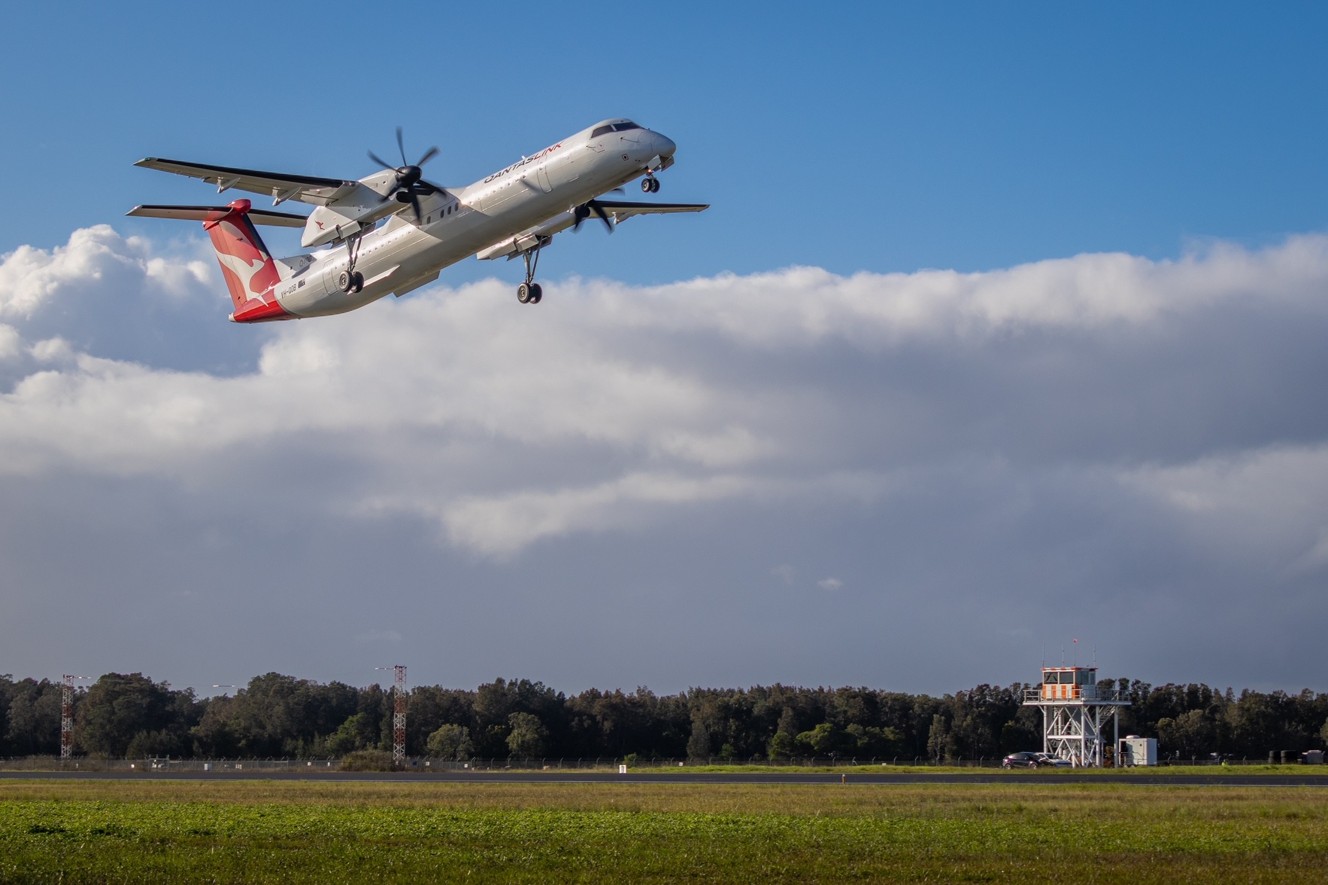


    On 9 July 2026, Ballina transitioned to Class D controlled airspace with the introduction of air traffic control approach and tower services.

    If you plan to fly in the Ballina area, it is important that you understand the requirements of operating in controlled airspace and have reviewed the latest briefing material, procedures and aeronautical charts.

    Flight planning and operational information is available in the Aeronautical Information Publication (AIP) on the Airservices website. General guidance for operating in Class D airspace can also be found here.

    Additional guidance material is available from the Civil Aviation Safety Authority (CASA):

    We encourage all pilots and aircraft operators to familiarise themselves with this material before operating in the area.

    Have Your Say

    As operations settle into the new environment, we welcome your feedback and any questions you may have about air traffic control services at Ballina.

    Please contact the project team at ballinaproject@airservicesaustralia.com.

    Join Us at the Ballina Industry BBQ

    To mark the successful implementation of these services, we invite you to join us at the next industry BBQ to be held on Friday 24 July, between 1200-1300 AEST at Ballina Aero Club.

    This is an opportunity to meet members of the project and operational teams, hear how the first weeks of operation have progressed, ask questions and share your feedback.

    We look forward to seeing you there.


  • Update 4 - Commissioning update ahead of 9 July

    Ballina Enhanced Services Phase 1 is now moving into commissioning, the final stage ahead of the introduction of controlled airspace and air traffic control services on 9 July 2026 (AIRAC).

    This marks a transition to a more structured operating environment, supported by air traffic control.

    This update builds on previous communications and provides final guidance ahead of commencement, including what to expect from Day 1 operations and how to prepare.

    Ballina’s next stage

    Ballina is entering the next stage in its aviation journey - building on nearly a century of history and evolving how operations are managed at the airport.

    From the Southern Cross’ trans Pacific landfall in 1928 to today’s regional gateway, Ballina has long been a place of connection and movement.

    Ballina Byron Gateway Airport is located in Bundjalung Country. We acknowledge the Bundjalung people as the Traditional Custodians of this land and recognise their continuing connection to Country, waterways and community.

    As operational activity and complexity have increased, the way the airspace is managed has needed to evolve.

    In 2023, CASA directed Airservices Australia to introduce controlled airspace and air traffic control services at Ballina, following assessment that the airspace risk profile required a higher level of traffic management to ensure safe and predictable operations for all airspace users, including general aviation.

    Commencement: 9 July 2026 (AIRAC)

    Controlled airspace and air traffic control services at Ballina are scheduled to commence on 9 July 2026 (AIRAC).

    The project is now in commissioning, with final readiness, assurance and transition activities underway.

    As with all operational changes, commencement remains subject to final readiness confirmation. Any changes to timing will be communicated in advance.

    What changes from Day 1

    From 9 July, Ballina will operate as a Class D controlled aerodrome.

    Controlled airspace operations will be introduced under a defined operating model supported by additional safeguards and traffic management settings.

    This includes:

    • structured sequencing and spacing of aircraft arrivals and departures
    • active traffic flow management and aircraft separation by air traffic control
    • holding or advisory instructions where required

    These operating settings are a deliberate part of the safety framework, designed to support a safe and orderly transition to controlled airspace operations.

    Based on current traffic levels, these settings are not expected to materially impact normal operations, while supporting safe and predictable outcomes.

    What you may notice

    As operations transition to a controlled airspace environment, you may notice:

    • aircraft being spaced to support sequencing into the airport
    • more active management of arrival and departure timing, particularly during busy periods
    • occasional holding or minor adjustments to sequencing

    Based on current traffic levels:

    • ground or airborne delays are unlikely
    • however, occasional minor delays may occur during peak sequencing periods

    Before 9 July - what operators should know

    Operators planning to use Ballina from 9 July should ensure they are familiar with the requirements of operating in Class D controlled airspace and understand the changes being introduced.

    Before operating, you should:

    • review updated charts, including the Gold Coast VTC, ERSA and relevant AIP publications
    • understand the location of the control zone, controlled airspace, and VFR approach and check points
    • ensure your electronic flight bag (EFB), charts and databases are updated
    • confirm your aircraft meets transponder requirements
    • plan your route, altitude and radio calls in advance
    • check NOTAMs and ERSA entries prior to flight
    • ensure you are familiar with flight plan or notification requirements when operating in Class C or D airspace

    Operators should plan accordingly for the transition to controlled airspace operations from Day 1.

    Further information is available via:

    Why this change is being made

    Controlled airspace is being introduced following a CASA airspace review, which identified that increasing operational complexity had changed the risk profile in the Ballina airspace.

    This ensures all users - including general aviation, airlines, emergency services and training operators - operate within a structured and coordinated environment that supports safe and predictable operations.

    See: CASA Ballina airspace review

    Pricing and charging

    Airservices has introduced a Terminal Navigation Charge (TNC) for operations at Ballina, consistent with comparable regional and Metro D aerodromes.

    Further details are available via:

    Engagement and support

    Airservices will continue to support industry stakeholders through commissioning and early operations.

    If you have questions, require clarification, or would benefit from a briefing, you can:

    • request a targeted or general briefing
    • raise operational or transition queries
    • access updated information as operations commence

    A coordinated support model is in place to ensure clear communication pathways and responsive engagement during early operations. Send your requests directly to ballinaproject@airservicesaustralia.com

    In parallel, a community awareness campaign is currently underway, including digital, print and direct communications.

    Looking ahead

    • Now through 8 July: Final commissioning and readiness activities continue
    • 9 July 2026 (AIRAC): Controlled aerodrome and approach services commence, marking the transition from commissioning into live operations
    • From 9 July: Operations in the initial weeks will be actively supported and monitored to ensure pilot awareness, compliance and procedures are working as intended
    • Friday 17 July: On-site engagement continues, including the next Ballina BBQ

    Helpful contacts


    Ballina Enhanced Services Phase 1 is now moving into commissioning, the final stage ahead of the introduction of controlled airspace and air traffic control services on 9 July 2026 (AIRAC).

    This marks a transition to a more structured operating environment, supported by air traffic control.

    This update builds on previous communications and provides final guidance ahead of commencement, including what to expect from Day 1 operations and how to prepare.

    Ballina’s next stage

    Ballina is entering the next stage in its aviation journey - building on nearly a century of history and evolving how operations are managed at the airport.

    From the Southern Cross’ trans Pacific landfall in 1928 to today’s regional gateway, Ballina has long been a place of connection and movement.

    Ballina Byron Gateway Airport is located in Bundjalung Country. We acknowledge the Bundjalung people as the Traditional Custodians of this land and recognise their continuing connection to Country, waterways and community.

    As operational activity and complexity have increased, the way the airspace is managed has needed to evolve.

    In 2023, CASA directed Airservices Australia to introduce controlled airspace and air traffic control services at Ballina, following assessment that the airspace risk profile required a higher level of traffic management to ensure safe and predictable operations for all airspace users, including general aviation.

    Commencement: 9 July 2026 (AIRAC)

    Controlled airspace and air traffic control services at Ballina are scheduled to commence on 9 July 2026 (AIRAC).

    The project is now in commissioning, with final readiness, assurance and transition activities underway.

    As with all operational changes, commencement remains subject to final readiness confirmation. Any changes to timing will be communicated in advance.

    What changes from Day 1

    From 9 July, Ballina will operate as a Class D controlled aerodrome.

    Controlled airspace operations will be introduced under a defined operating model supported by additional safeguards and traffic management settings.

    This includes:

    • structured sequencing and spacing of aircraft arrivals and departures
    • active traffic flow management and aircraft separation by air traffic control
    • holding or advisory instructions where required

    These operating settings are a deliberate part of the safety framework, designed to support a safe and orderly transition to controlled airspace operations.

    Based on current traffic levels, these settings are not expected to materially impact normal operations, while supporting safe and predictable outcomes.

    What you may notice

    As operations transition to a controlled airspace environment, you may notice:

    • aircraft being spaced to support sequencing into the airport
    • more active management of arrival and departure timing, particularly during busy periods
    • occasional holding or minor adjustments to sequencing

    Based on current traffic levels:

    • ground or airborne delays are unlikely
    • however, occasional minor delays may occur during peak sequencing periods

    Before 9 July - what operators should know

    Operators planning to use Ballina from 9 July should ensure they are familiar with the requirements of operating in Class D controlled airspace and understand the changes being introduced.

    Before operating, you should:

    • review updated charts, including the Gold Coast VTC, ERSA and relevant AIP publications
    • understand the location of the control zone, controlled airspace, and VFR approach and check points
    • ensure your electronic flight bag (EFB), charts and databases are updated
    • confirm your aircraft meets transponder requirements
    • plan your route, altitude and radio calls in advance
    • check NOTAMs and ERSA entries prior to flight
    • ensure you are familiar with flight plan or notification requirements when operating in Class C or D airspace

    Operators should plan accordingly for the transition to controlled airspace operations from Day 1.

    Further information is available via:

    Why this change is being made

    Controlled airspace is being introduced following a CASA airspace review, which identified that increasing operational complexity had changed the risk profile in the Ballina airspace.

    This ensures all users - including general aviation, airlines, emergency services and training operators - operate within a structured and coordinated environment that supports safe and predictable operations.

    See: CASA Ballina airspace review

    Pricing and charging

    Airservices has introduced a Terminal Navigation Charge (TNC) for operations at Ballina, consistent with comparable regional and Metro D aerodromes.

    Further details are available via:

    Engagement and support

    Airservices will continue to support industry stakeholders through commissioning and early operations.

    If you have questions, require clarification, or would benefit from a briefing, you can:

    • request a targeted or general briefing
    • raise operational or transition queries
    • access updated information as operations commence

    A coordinated support model is in place to ensure clear communication pathways and responsive engagement during early operations. Send your requests directly to ballinaproject@airservicesaustralia.com

    In parallel, a community awareness campaign is currently underway, including digital, print and direct communications.

    Looking ahead

    • Now through 8 July: Final commissioning and readiness activities continue
    • 9 July 2026 (AIRAC): Controlled aerodrome and approach services commence, marking the transition from commissioning into live operations
    • From 9 July: Operations in the initial weeks will be actively supported and monitored to ensure pilot awareness, compliance and procedures are working as intended
    • Friday 17 July: On-site engagement continues, including the next Ballina BBQ

    Helpful contacts


  • Update 3 - Controlled airspace at Ballina commences 9 July 2026

    Airservices Australia is entering the final phases of delivery for Ballina Enhanced Services Phase 1, with controlled airspace and air traffic control services scheduled to commence on 9 July 2026 (AIRAC).

    We are now in pre‑commissioning, with readiness, engagement and final preparation activities underway. This communication provides early awareness, with further updates and resources to follow.


    Project progress at a glance

    • Operational readiness and safety assurance progressing
    • Engagement across industry, community and stakeholders continues
    • Final commissioning and preparation underway


    We are on track for commencement on 9 July 2026. As with all operational changes, this remains subject to final readiness confirmation, with any changes to timing communicated in advance.

    As activity increases toward commencement, progress is also becoming more visible on site.

    Airservices Australia acknowledges the Bundjalung people as the Traditional Custodians of the land on which Ballina Byron Gateway Airport is located. We pay our respects to Elders past and present, and recognise their continuing connection to Country, waterways and community.


    On the ground at Ballina

    • Infrastructure and site works advancing
    • Operational and technical teams active on site
    • Systems, procedures and readiness activities being integrated

    These activities are bringing together the elements required to safely introduce controlled operations. For further information or imagery of on‑site progress, please contact the project team.


    Formal aeronautical information (AIP SUP)

    The AIP Supplement (SUP H80/26) has been published, outlining operational procedures, initial operating settings and contingency arrangements.

    Access via: airservicesaustralia.com/aip/aip.asp


    Engagement and briefings

    Pre–golive BBQ Friday 26 June | Ballina Aero Club

    Updated event details have been shared, please reach out for further information.


    Briefings available

    Briefings and engagement sessions are available to support stakeholders ahead of commencement. You can reply directly and:

    • Request a tailored briefing
    • Join a general session
    • Stay connected as updates are released

    These sessions will continue to be available through commencement and transition.


    Community awareness (from 22 June)

    A community awareness campaign will roll out across digital, media and local channels to support understanding of the upcoming change, including potential adjustments to flight paths.

    More information: engage.airservicesaustralia.com/ballina-controlled-airspace


    What this means

    From 9 July, Ballina will operate as a Class D controlled aerodrome:

    • Aircraft operate under air traffic control instruction
    • Controllers manage sequencing and separation
    • Traffic flow becomes more structured


    Local operating characteristics

    • Single runway operations, including backtracking where required
    • Some sequencing and spacing will occur as part of normal controlled operations. Material delays are not expected; however, occasional minor delays may occur during peak periods.
    • Defined spacing between IFR arrivals will be applied (including minimum separation intervals) to support safe sequencing and coordination at commencement.


    Looking ahead

    Airservices Australia is entering the final phases of delivery for Ballina Enhanced Services Phase 1, with controlled airspace and air traffic control services scheduled to commence on 9 July 2026 (AIRAC).

    We are now in pre‑commissioning, with readiness, engagement and final preparation activities underway. This communication provides early awareness, with further updates and resources to follow.


    Project progress at a glance

    • Operational readiness and safety assurance progressing
    • Engagement across industry, community and stakeholders continues
    • Final commissioning and preparation underway


    We are on track for commencement on 9 July 2026. As with all operational changes, this remains subject to final readiness confirmation, with any changes to timing communicated in advance.

    As activity increases toward commencement, progress is also becoming more visible on site.

    Airservices Australia acknowledges the Bundjalung people as the Traditional Custodians of the land on which Ballina Byron Gateway Airport is located. We pay our respects to Elders past and present, and recognise their continuing connection to Country, waterways and community.


    On the ground at Ballina

    • Infrastructure and site works advancing
    • Operational and technical teams active on site
    • Systems, procedures and readiness activities being integrated

    These activities are bringing together the elements required to safely introduce controlled operations. For further information or imagery of on‑site progress, please contact the project team.


    Formal aeronautical information (AIP SUP)

    The AIP Supplement (SUP H80/26) has been published, outlining operational procedures, initial operating settings and contingency arrangements.

    Access via: airservicesaustralia.com/aip/aip.asp


    Engagement and briefings

    Pre–golive BBQ Friday 26 June | Ballina Aero Club

    Updated event details have been shared, please reach out for further information.


    Briefings available

    Briefings and engagement sessions are available to support stakeholders ahead of commencement. You can reply directly and:

    • Request a tailored briefing
    • Join a general session
    • Stay connected as updates are released

    These sessions will continue to be available through commencement and transition.


    Community awareness (from 22 June)

    A community awareness campaign will roll out across digital, media and local channels to support understanding of the upcoming change, including potential adjustments to flight paths.

    More information: engage.airservicesaustralia.com/ballina-controlled-airspace


    What this means

    From 9 July, Ballina will operate as a Class D controlled aerodrome:

    • Aircraft operate under air traffic control instruction
    • Controllers manage sequencing and separation
    • Traffic flow becomes more structured


    Local operating characteristics

    • Single runway operations, including backtracking where required
    • Some sequencing and spacing will occur as part of normal controlled operations. Material delays are not expected; however, occasional minor delays may occur during peak periods.
    • Defined spacing between IFR arrivals will be applied (including minimum separation intervals) to support safe sequencing and coordination at commencement.


    Looking ahead

  • Update 2 - Final flight path design for implementation

    Airservices Australia is pleased to share the final flight path design to support Ballina Byron Gateway Airport's transition to controlled airspace. For further information, please click here.

    Airservices Australia is pleased to share the final flight path design to support Ballina Byron Gateway Airport's transition to controlled airspace. For further information, please click here.

  • Update 1 - Update on Enhanced Air Traffic Services at Ballina Byron Gateway Airport

    Airservices Australia would like to provide an update on the introduction of air traffic control services at Ballina Byron Gateway Airport, following a 2022 Civil Aviation Safety Authority (CASA) airspace review and extensive industry engagement since that time.

    Airspace safety around Ballina has been progressively enhanced through several initiatives, including the implementation of a Surveillance Flight Information Service (SFIS), installation of an additional Automatic Dependent Surveillance–Broadcast (ADS-B) ground station, and adjustments to radio frequencies to reduce congestion.

    The aerodrome control service, originally planned for 27 November 2025, is now scheduled to commence on 11 June 2026. Detailed analysis of the proposed control tower site has identified several infrastructure challenges, including line-of-sight obstructions. As a result, the aerodrome control service implementation timeframe has been revised to ensure a fit-for purpose solution that meets all regulatory and operational requirements. The introduction of Class D airspace and approach control services will also align with the updated schedule.

    Until the new air traffic control service is introduced, SFIS will continue to support safe airspace operations at Ballina.

    Airservices will continue to keep stakeholders informed and will resume engagement activities, in coordination with CASA, in line with the revised timeline. In the meantime, if you have any questions, please contact our Customer Engagement Team at stakeholder@airservicesaustralia.com.

    Airservices Australia would like to provide an update on the introduction of air traffic control services at Ballina Byron Gateway Airport, following a 2022 Civil Aviation Safety Authority (CASA) airspace review and extensive industry engagement since that time.

    Airspace safety around Ballina has been progressively enhanced through several initiatives, including the implementation of a Surveillance Flight Information Service (SFIS), installation of an additional Automatic Dependent Surveillance–Broadcast (ADS-B) ground station, and adjustments to radio frequencies to reduce congestion.

    The aerodrome control service, originally planned for 27 November 2025, is now scheduled to commence on 11 June 2026. Detailed analysis of the proposed control tower site has identified several infrastructure challenges, including line-of-sight obstructions. As a result, the aerodrome control service implementation timeframe has been revised to ensure a fit-for purpose solution that meets all regulatory and operational requirements. The introduction of Class D airspace and approach control services will also align with the updated schedule.

    Until the new air traffic control service is introduced, SFIS will continue to support safe airspace operations at Ballina.

    Airservices will continue to keep stakeholders informed and will resume engagement activities, in coordination with CASA, in line with the revised timeline. In the meantime, if you have any questions, please contact our Customer Engagement Team at stakeholder@airservicesaustralia.com.

Page last updated: 14 Jul 2026, 09:20 AM