

Update 4 - Commissioning update ahead of 9 July
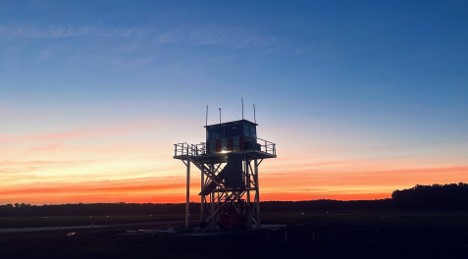
Ballina Enhanced Services Phase 1 is now moving into commissioning, the final stage ahead of the introduction of controlled airspace and air traffic control services on 9 July 2026 (AIRAC).
This marks a transition to a more structured operating environment, supported by air traffic control.
This update builds on previous communications and provides final guidance ahead of commencement, including what to expect from Day 1 operations and how to prepare.
Ballina’s next stage
Ballina is entering the next stage in its aviation journey - building on nearly a century of history and evolving how operations are managed at the airport.
From the Southern Cross’ trans Pacific landfall in 1928 to today’s regional gateway, Ballina has long been a place of connection and movement.
Ballina Byron Gateway Airport is located in Bundjalung Country. We acknowledge the Bundjalung people as the Traditional Custodians of this land and recognise their continuing connection to Country, waterways and community.
As operational activity and complexity have increased, the way the airspace is managed has needed to evolve.
In 2023, CASA directed Airservices Australia to introduce controlled airspace and air traffic control services at Ballina, following assessment that the airspace risk profile required a higher level of traffic management to ensure safe and predictable operations for all airspace users, including general aviation.
Commencement: 9 July 2026 (AIRAC)
Controlled airspace and air traffic control services at Ballina are scheduled to commence on 9 July 2026 (AIRAC).
The project is now in commissioning, with final readiness, assurance and transition activities underway.
As with all operational changes, commencement remains subject to final readiness confirmation. Any changes to timing will be communicated in advance.
What changes from Day 1
From 9 July, Ballina will operate as a Class D controlled aerodrome.
Controlled airspace operations will be introduced under a defined operating model supported by additional safeguards and traffic management settings.
This includes:
- structured sequencing and spacing of aircraft arrivals and departures
- active traffic flow management and aircraft separation by air traffic control
- holding or advisory instructions where required
These operating settings are a deliberate part of the safety framework, designed to support a safe and orderly transition to controlled airspace operations.
Based on current traffic levels, these settings are not expected to materially impact normal operations, while supporting safe and predictable outcomes.
What you may notice
As operations transition to a controlled airspace environment, you may notice:
- aircraft being spaced to support sequencing into the airport
- more active management of arrival and departure timing, particularly during busy periods
- occasional holding or minor adjustments to sequencing
Based on current traffic levels:
- ground or airborne delays are unlikely
- however, occasional minor delays may occur during peak sequencing periods
Before 9 July - what operators should know
Operators planning to use Ballina from 9 July should ensure they are familiar with the requirements of operating in Class D controlled airspace and understand the changes being introduced.
Before operating, you should:
- review updated charts, including the Gold Coast VTC, ERSA and relevant AIP publications
- understand the location of the control zone, controlled airspace, and VFR approach and check points
- ensure your electronic flight bag (EFB), charts and databases are updated
- confirm your aircraft meets transponder requirements
- plan your route, altitude and radio calls in advance
- check NOTAMs and ERSA entries prior to flight
- ensure you are familiar with flight plan or notification requirements when operating in Class C or D airspace
Operators should plan accordingly for the transition to controlled airspace operations from Day 1.
Further information is available via:
- Class D operations information sheet
- AIP Supplement (SUP H80/26)
- CASA Ballina airspace changes
- CASA aerodrome manoeuvring maps
- CASA stay on track - Gold Coast
Why this change is being made
Controlled airspace is being introduced following a CASA airspace review, which identified that increasing operational complexity had changed the risk profile in the Ballina airspace.
This ensures all users - including general aviation, airlines, emergency services and training operators - operate within a structured and coordinated environment that supports safe and predictable operations.
See: CASA Ballina airspace review
Pricing and charging
Airservices has introduced a Terminal Navigation Charge (TNC) for operations at Ballina, consistent with comparable regional and Metro D aerodromes.
Further details are available via:
Engagement and support
Airservices will continue to support industry stakeholders through commissioning and early operations.
If you have questions, require clarification, or would benefit from a briefing, you can:
- request a targeted or general briefing
- raise operational or transition queries
- access updated information as operations commence
A coordinated support model is in place to ensure clear communication pathways and responsive engagement during early operations. Send your requests directly to ballinaproject@airservicesaustralia.com
In parallel, a community awareness campaign is currently underway, including digital, print and direct communications.
Looking ahead
- Now through 8 July: Final commissioning and readiness activities continue
- 9 July 2026 (AIRAC): Controlled aerodrome and approach services commence, marking the transition from commissioning into live operations
- From 9 July: Operations in the initial weeks will be actively supported and monitored to ensure pilot awareness, compliance and procedures are working as intended
- Friday 17 July: On-site engagement continues, including the next Ballina BBQ
Helpful contacts
- stakeholder@airservicesaustralia.com
- ballinaproject@airservicesaustralia.com
- communityengagement@airservicesaustralia.com

Thank you for your contribution!
Help us reach out to more people in the community
Share this with family and friends